

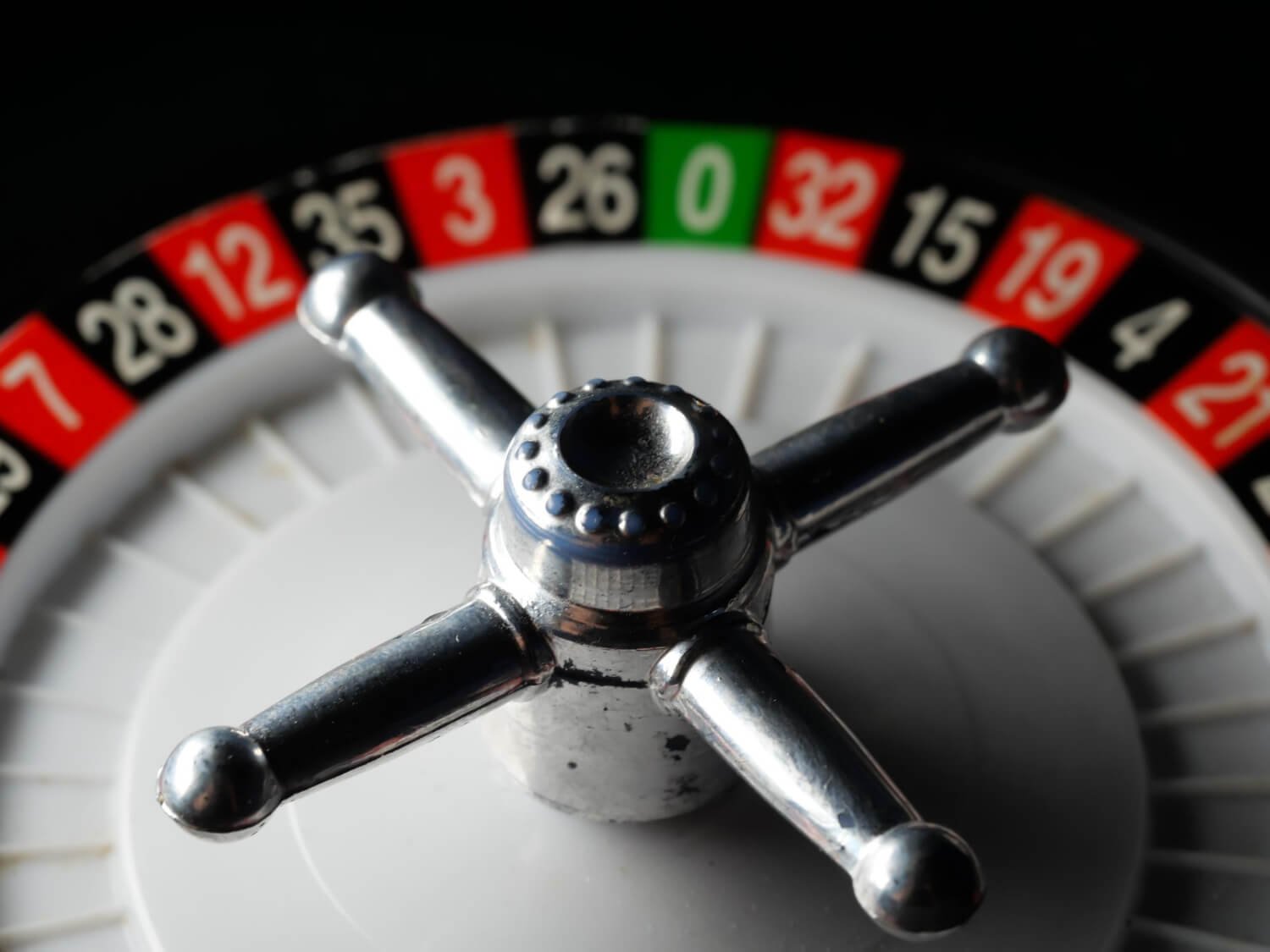
Roulette is one of the simplest and most mathematically fascinating casino games. Every spin is defined by one small detail—the number of zeros on the wheel. That single factor separates European and American roulette, changing the house edge, odds and player experience.
Basic Mechanics of Roulette
Every roulette game follows the same principle: players place bets on numbers, colours or combinations and a croupier spins a ball on a wheel. When the ball lands, bets are settled according to pre-set payouts. But under the surface, not all wheels are equal.
At Vegas Hero UK, for instance, players can choose between European, American and even French versions—each licensed and verified under regulators such as the Malta Gaming Authority or UK Gambling Commission. What changes across these variants isn’t just design but long-term probability.
Why the Zero Exists
The zero pocket, first introduced in 1842 by François and Louis Blanc in Monte Carlo, wasn’t designed for players—it was for the house. The zero gives the casino its mathematical advantage.
In European roulette, the wheel contains one green zero and 37 pockets in total. In American roulette, there are two zeroes—the single zero (0) and double zero (00)—making 38 pockets. This small addition increases the house edge from 2.7% to 5.26%, a gap that doubles the casino’s advantage.
Statistical Divide
The key difference between European and American roulette lies in probability. The single zero reduces risk and increases fairness, while the double zero compounds losses over time.
The table below shows how these differences translate into numbers.
| Variant | Total Pockets | House Edge | Single Number Odds | RTP (Return to Player) |
| European | 37 (1 zero) | 2.70% | 1 in 37 | 97.3% |
| American | 38 (2 zeros) | 5.26% | 1 in 38 | 94.7% |
| French | 37 (1 zero, special rule) | 1.35% (with “La Partage”) | 1 in 37 | 98.65% |
These percentages make clear why serious players often avoid the American wheel when given a choice.
Hidden Impact of the Double Zero
In practice, a player betting €10 per spin will lose an average of €0.27 per round on European roulette. On American wheels, the same player loses €0.53 per spin. Over 1,000 spins, that’s a €260 difference—purely from the extra zero.
For casual players, this gap can mean the difference between a one-hour session and a quick bust. Professional roulette enthusiasts know this and strategically select tables accordingly.
Role of Table Rules
While wheel design defines the structure, table rules shape the experience. European and French roulette share the same 37-number layout but differ in how they handle zero outcomes.
In European roulette, when the ball lands on zero, all outside bets (like red/black or odd/even) lose.
In French roulette, however, two special rules—La Partage and En Prison—reduce losses.
- La Partage: Half of your even-money bet is returned if zero appears.
- En Prison: The bet remains “locked” for the next spin, giving a second chance to recover.
These rules cut the effective house edge to just 1.35%, making French roulette statistically the most favorable version.
Layout and Betting Variations
Even though European and American roulette look similar, their table layouts differ slightly. The American wheel has opposite sequences and the double zero opposite the single zero. This affects certain betting strategies such as the “neighbors” system or “wheel sectors,” where proximity on the wheel matters.
Here’s a simple comparison of table structure:
| Feature | European Roulette | American Roulette |
| Zeros | Single zero (0) | Single (0) and double zero (00) |
| Sequence | Continuous numerical order | Alternating pattern |
| Table Layout | Compact and simple | Split betting grid |
| Common Bet Types | Straight, Split, Street, Corner, Dozen | Same plus Five-Number Bet |
| Unique Element | Neighbor bets available | 00 pocket adds Five-Number bet |
The Five-Number Bet (0, 00, 1, 2, 3) is exclusive to American roulette—and widely criticized. It carries the highest house edge on the table at 7.89%, making it one of the least efficient bets in all of casino gaming.
Sneaky Zero’s Psychological Effect
The addition of zero may seem like a small twist, but it changes player psychology too. The green pocket acts as both a visual and emotional wildcard—reminding players that chance can disrupt logic.
According to a study by the University of Nevada, players are 30% more likely to increase their next bet after losing to zero. Casinos know this and often use the green number’s “neutral” look to prevent strong emotional responses. It’s subtle design psychology—making losses feel less harsh than losing to red or black.
Risk Management and Smart Selection
Professionals always start by identifying the wheel type before placing bets. In modern online platforms this is easy—games clearly display RTP and variant type. Casual players should make this a habit: selecting a single-zero game instantly improves long-term returns without changing any other strategy.
Strategy Differences Between Wheels
Roulette strategies—like the Martingale, D’Alembert or Fibonacci—apply across all versions, but their effectiveness varies with the wheel.
For instance:
- Martingale System: Doubling bets after losses recovers profit faster on European wheels due to lower edge.
- Flat Betting: Works better on high-volatility wheels (like American) where spread betting reduces variance.
- Combination Betting: In French versions, players often use “neighbors” and “section” bets to cover wheel areas efficiently.
The smarter approach is to combine statistical awareness with emotional discipline—avoiding progressive betting during losing streaks.
Evolution of Online Roulette
Digital roulette has introduced new forms while preserving traditional math. Developers like Evolution, Pragmatic Play and Playtech have created variants such as Lightning Roulette and Immersive Roulette, offering multipliers or 3D visuals.
However, even with flashy graphics, the core mechanics remain governed by the zero. RTP rates are audited—Lightning Roulette, for example, maintains a 97.3% RTP on standard bets but adds 500x multipliers for random wins.
Дive dealers and RNG (Random Number Generator) tables coexist, each licensed and tested for fairness. RNG wheels undergo over one million spins for certification, ensuring zero bias in outcomes.
French Legacy in Digital Play
French roulette has seen a digital resurgence, particularly among strategy-focused players. Its La Partage rule translates perfectly online, reducing volatility and prolonging gameplay. As a result, many mobile-friendly versions advertise it as “low-risk roulette,” appealing to budget-conscious users who want predictable variance.
Picking the Right Variant
Selecting between European, American and French roulette depends on one thing—risk tolerance. The choice defines your experience more than bet size or streaks.
A quick summary for clarity:
| Variant | Advantage | Disadvantage | Ideal For |
| European | Lower house edge (2.7%) | Standard zero losses | Balanced players |
| American | Fast-paced, familiar in the US | Double zero increases risk | Casual or nostalgic players |
| French | Lowest house edge (1.35%) | Rules can confuse newcomers | Strategic or disciplined players |
Each format offers its rhythm and reward style, but understanding the zero ensures control over expectation.
Roulette, in its many forms, remains a balance between mathematics and thrill. Whether played live or online, the sneaky zero defines not just the odds—but the psychology—behind every spin.














Leave a Reply