

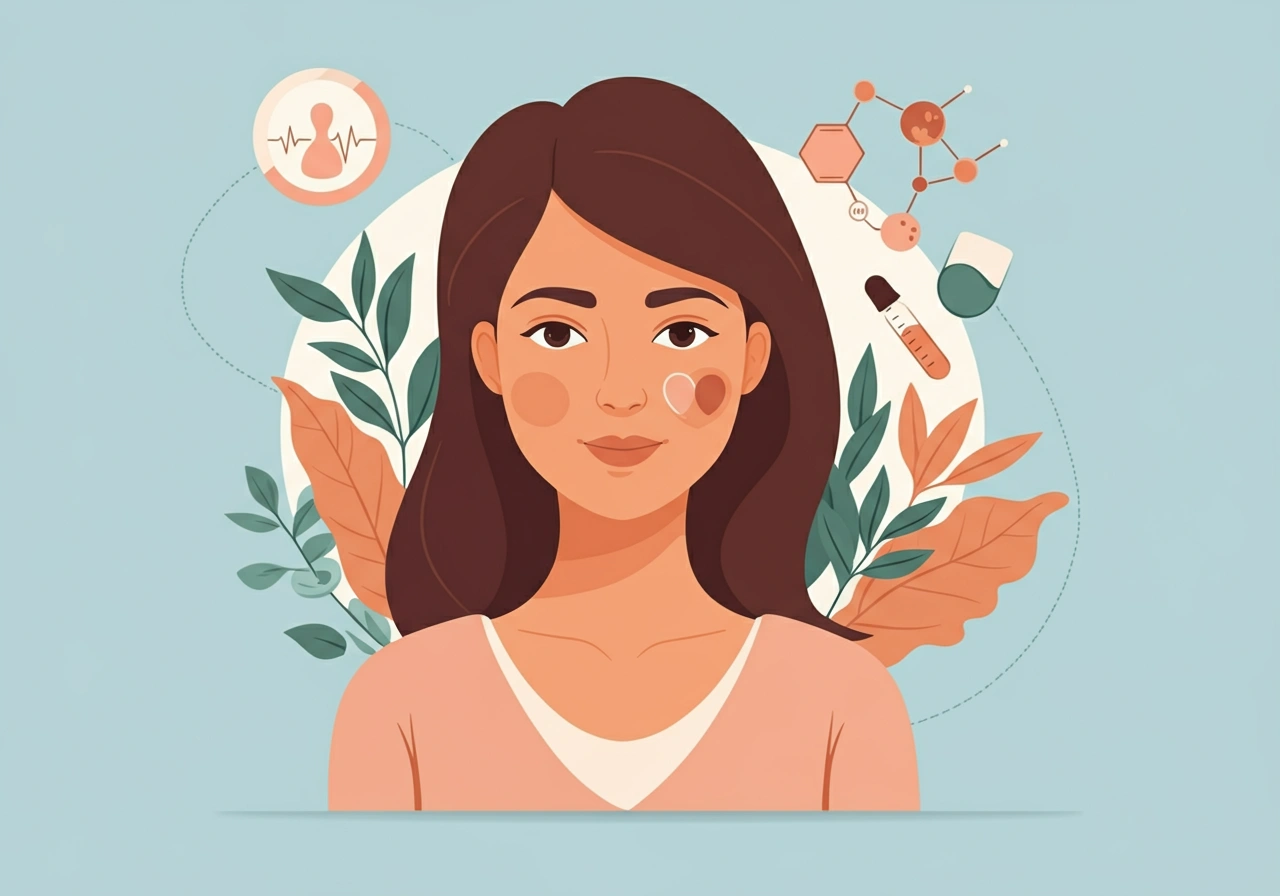
Polycystic Ovary Syndrome, or PCOS, is a common hormonal disorder that affects millions of women of reproductive age worldwide. Despite its prevalence, it often remains misunderstood, leading to delayed diagnosis and management. PCOS is a complex condition with a wide range of symptoms that can impact a woman’s physical appearance, emotional well-being, and reproductive health. Gaining a clear understanding of what PCOS is, its symptoms, underlying causes, and available treatment options is the first step toward effectively managing the condition and improving quality of life.
This article provides an in-depth look at PCOS, offering valuable information for those who may be experiencing symptoms or have recently been diagnosed. By exploring the various facets of this condition, we can empower individuals to seek appropriate medical care and take control of their health journey.
What is PCOS?
Polycystic Ovary Syndrome is primarily an endocrine disorder characterized by an imbalance of reproductive hormones. This imbalance creates problems in the ovaries, the reproductive organs that produce eggs and hormones like estrogen and progesterone. In women with PCOS, the ovaries may develop numerous small collections of fluid called follicles and fail to regularly release eggs. The name “polycystic” can be misleading, as these are not true cysts but rather immature follicles.
The condition is defined by a combination of signs and symptoms. A diagnosis is typically made when a woman exhibits at least two of the following three criteria:
- Irregular periods or no periods at all: This indicates that ovulation is not occurring regularly.
- Excess androgen levels: High levels of “male” hormones like testosterone can cause physical signs such as excess facial and body hair.
- Polycystic ovaries: An ultrasound scan reveals ovaries that are enlarged and contain many small follicles.
PCOS is one of the most common endocrine disorders among women between the ages of 15 and 44. It is estimated to affect between 5% and 10% of this population, meaning millions of women are living with the condition, many of them undiagnosed.
The Wide-Ranging Symptoms of PCOS
The symptoms of PCOS can vary greatly from one person to another in both type and severity. They often begin around the time of the first menstrual period but can also develop later in response to significant weight gain or other life changes.
Reproductive Health Impacts:
The most common reproductive symptom is an irregular menstrual cycle. This can manifest as infrequent periods (oligomenorrhea), absent periods for several months (amenorrhea), or unpredictable heavy bleeding. These irregularities are a direct result of infrequent or absent ovulation, which can make it difficult to conceive. In fact, PCOS is one of the leading causes of infertility in women.
Physical Symptoms:
The physical manifestations of PCOS are often related to high levels of androgens. These include:
- Hirsutism: Excessive hair growth in a male-like pattern, appearing on the face, chin, chest, back, stomach, or thighs. This affects up to 70% of women with PCOS.
- Acne: Severe, persistent acne that may not respond to typical treatments is common, particularly on the face, chest, and upper back.
- Weight Gain: Many women with PCOS struggle with weight gain or have difficulty losing weight. This weight is often concentrated around the abdomen, creating a higher risk for other health problems.
- Hair Thinning: Some individuals experience male-pattern baldness or thinning hair on the scalp.
- Acanthosis Nigricans: Dark, velvety patches of skin can appear in body folds and creases, such as on the neck, in the armpits, and under the breasts. This is a sign of insulin resistance.
Emotional and Mental Health Impacts:
The effects of PCOS are not just physical. The hormonal imbalances and visible symptoms can take a significant toll on emotional well-being. Many women with PCOS report experiencing:
- Anxiety and Depression: The challenges of managing chronic symptoms, dealing with infertility, and coping with changes in appearance can contribute to mood disorders.
- Low Self-Esteem: Hirsutism, acne, and weight gain can negatively impact body image and self-confidence.
- Disordered Eating: The pressure to manage weight can sometimes lead to unhealthy eating patterns.
Understanding the Causes and Risk Factors
The exact cause of PCOS is unknown, but research suggests that a combination of genetic and environmental factors plays a role. It is not caused by anything a person has done, but certain factors can increase the risk of developing it.
Genetic Predisposition:
PCOS often runs in families. If your mother or sister has PCOS, your risk of developing it is higher. This suggests that there are specific genes linked to the condition. Researchers are actively studying these genetic links to better understand how the disorder is inherited.
Hormonal Imbalances:
- Excess Insulin: Insulin is a hormone produced by the pancreas that helps cells use sugar for energy. Many women with PCOS have insulin resistance, meaning their cells don’t respond normally to insulin. As a result, the pancreas produces even more insulin to compensate. Excess insulin can trigger the ovaries to produce more androgens, disrupting ovulation and causing other PCOS symptoms.
- Excess Androgens: The ovaries of women with PCOS produce higher-than-normal levels of androgens. This overproduction interferes with the development and release of eggs, contributing to irregular periods, acne, and excess hair growth.
- Low-Grade Inflammation: Studies have shown that women with PCOS often have a type of low-grade inflammation that stimulates the ovaries to produce androgens. This inflammation can also contribute to heart and blood vessel problems.
Lifestyle and Environmental Factors:
While not a direct cause, lifestyle can influence the severity of PCOS symptoms. Excess body weight, for example, can worsen insulin resistance and hormonal imbalances. A sedentary lifestyle and a diet high in processed foods and sugars can exacerbate the condition.
Comprehensive Treatment and Management Options
There is no cure for PCOS, but a variety of treatments can help manage the symptoms and reduce the risk of long-term health complications like type 2 diabetes and heart disease. Treatment plans are highly individualized and focus on a person’s specific concerns, whether they are related to fertility, menstrual regulation, or physical symptoms.
Lifestyle Modifications:
For many, lifestyle changes are the first and most effective line of defense.
- Diet: A balanced diet is crucial. Focus on whole foods, including fruits, vegetables, lean proteins, and whole grains. Limiting processed foods, sugary drinks, and refined carbohydrates can help regulate blood sugar levels, improve insulin sensitivity, and support weight management.
- Exercise: Regular physical activity helps combat insulin resistance, aids in weight loss, and can improve mood. A combination of cardiovascular exercise (like walking or swimming) and strength training is often recommended. Even moderate weight loss of 5-10% of body weight can significantly improve symptoms and restore regular ovulation in some women.
Medications:
When lifestyle changes are not enough, medication may be prescribed.
- Hormonal Birth Control: Combination birth control pills (containing both estrogen and progestin) are often used to regulate the menstrual cycle, reduce androgen levels, and clear up acne.
- Metformin: This medication, typically used for type 2 diabetes, improves insulin sensitivity. It can help lower insulin and androgen levels, leading to more regular menstrual cycles and potentially aiding in weight loss.
- Anti-androgens: Drugs like spironolactone can be prescribed to block the effects of androgens, helping to reduce excess hair growth and acne. These are often used in combination with hormonal birth control.
- Fertility Treatments: For women trying to conceive, medications like clomiphene (Clomid) or letrozole (Femara) can be used to induce ovulation. In more complex cases, in vitro fertilization (IVF) may be an option.
Alternative and Complementary Therapies:
Some individuals find relief through alternative therapies, though these should be discussed with a doctor before starting. Supplements like inositol, N-acetylcysteine (NAC), and vitamin D have shown promise in improving insulin resistance and hormonal balance in some studies. Practices like acupuncture may also help regulate menstrual cycles and reduce stress.
The Importance of Early Diagnosis and Management
Living with PCOS can be challenging, but it is a manageable condition. Early diagnosis is key to preventing long-term complications, such as metabolic syndrome, type 2 diabetes, high blood pressure, and cardiovascular disease. Understanding the condition allows for proactive management of symptoms and a focus on overall health.
If you are experiencing irregular periods, persistent acne, unusual hair growth, or difficulty managing your weight, it is important to speak with a healthcare provider. A thorough evaluation can determine if PCOS is the cause and help you create a personalized treatment plan. With the right combination of lifestyle adjustments, medical support, and self-care, women with PCOS can lead healthy, fulfilling lives.









Leave a Reply