

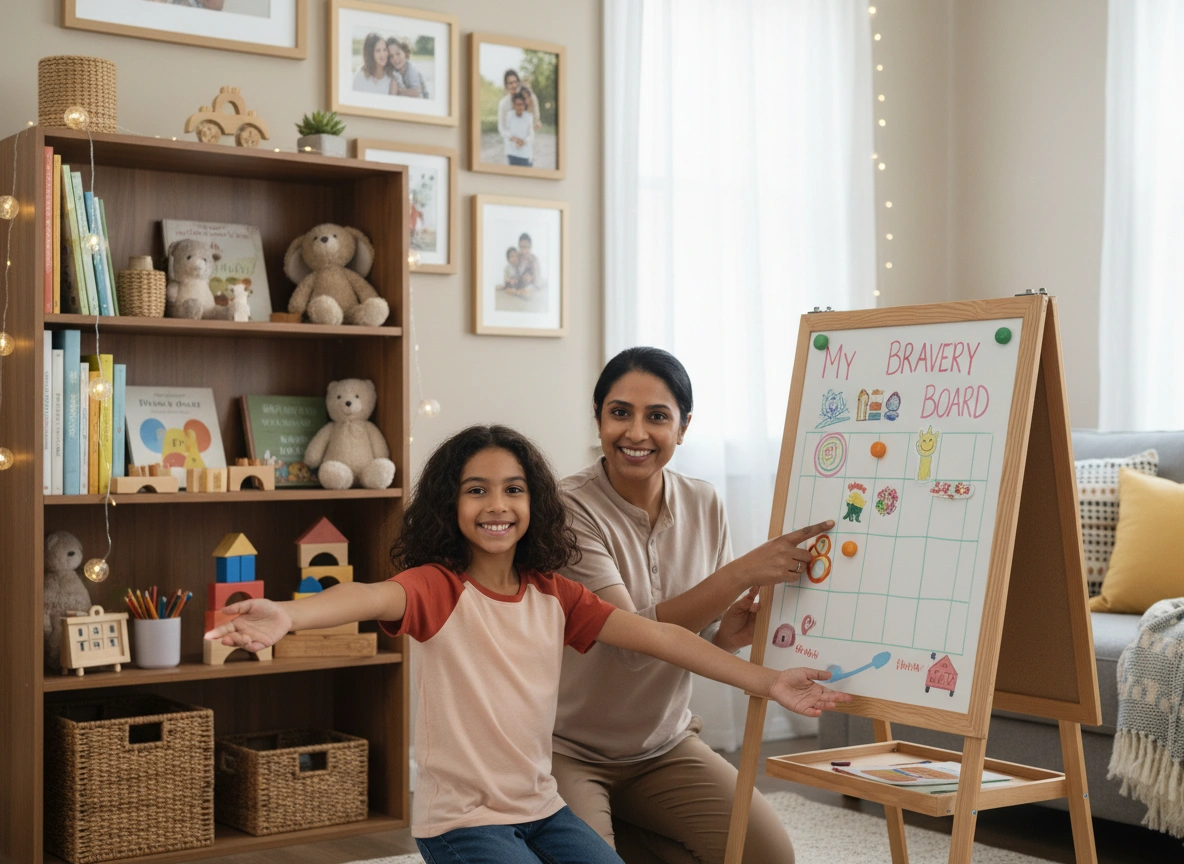
Every parent wants their child to grow up feeling secure, capable, and full of joy. Yet, in the middle of a grocery store tantrum or a bedtime negotiation that feels more like a hostage situation, those long-term goals can feel miles away. How do we bridge the gap between the daily chaos of raising children and the ultimate goal of nurturing resilient, happy adults?
The answer often lies in positive parenting. This approach isn’t about being permissive or avoiding discipline. Instead, it focuses on mutual respect, clear communication, and teaching rather than punishing. It shifts the dynamic from a power struggle to a partnership.
This guide explores practical, proven strategies to help you raise kids who believe in themselves and find happiness in their own achievements.
Understanding Positive Parenting
Positive parenting is grounded in the philosophy that children are born with the right to be treated with dignity and respect. Unlike traditional authoritarian methods which rely heavily on fear or compliance, positive parenting seeks to build a child’s internal moral compass.
The Core Principles
At its heart, positive parenting revolves around connection. When a child feels deeply connected to their parents, they are more likely to cooperate and follow guidance. Research consistently shows that children raised with warmth and consistent boundaries have better social skills, higher self-esteem, and lower levels of anxiety.
Think of it as filling a “relationship bank account.” Every positive interaction—a hug, a listening ear, a shared laugh—is a deposit. Every harsh word or moment of disconnection is a withdrawal. When the account balance is high, children are more resilient to the inevitable withdrawals that happen during conflicts.
Why It Matters for Confidence
Children build their self-image based on the feedback they receive from the world, primarily from their parents. When discipline is focused on teaching (“Here is why we don’t hit”) rather than shaming (“You are a bad boy”), a child learns to separate their behavior from their worth. This distinction is crucial for building lasting confidence. They learn that making a mistake doesn’t make them a failure; it just means they have something new to learn.
Building a Strong Parent-Child Relationship
The foundation of any positive parenting strategy is the bond you share with your child. Without a strong relationship, even the best techniques will fall flat.
Practice Active Listening
It sounds simple, but truly listening to a child is a profound act of validation. When your child is speaking, put down the phone. Turn away from the screen. Get down on their level and make eye contact.
Scenario: Your seven-year-old comes home upset because a friend wouldn’t play with them.
Instead of: Dismissing it with, “Oh, don’t worry, you have plenty of other friends.”
Try: “It sounds like you felt really lonely when Liam said he didn’t want to play. That must have hurt your feelings.”
By reflecting their feelings back to them, you show that their emotions matter. This builds trust and encourages them to come to you with bigger problems as they grow older.
Specialized “Special Time”
Carve out 10 to 15 minutes a day for one-on-one time with each child. During this time, let the child lead the play. If they want to build Legos, you build Legos. If they want to draw, you draw. No instructions, no corrections, just pure connection.
This “special time” acts as an emotional inoculation. When children feel their “attention cup” is full, they are less likely to act out in negative ways to get your attention later in the day.
Empathy Before Correction
When behavior goes off the rails, our instinct is often to correct immediately. Positive parenting suggests a different order of operations: Connect first, then correct.
If a child throws a toy in anger, acknowledge the emotion before addressing the behavior. “I can see you are furious that the tower fell down. It is frustrating! But we cannot throw toys because it might hurt someone.” By validating the anger, you reduce the child’s need to escalate their behavior to show you how upset they are.
Encouraging Independence and Confidence
Confidence comes from competence. To feel confident, children need to know they can handle challenges, make decisions, and contribute to their world.
Let Them Struggle
It is painful to watch our children struggle, whether it is tying shoelaces or resolving a conflict with a sibling. However, rushing in to save them sends a subtle message: “You can’t handle this.”
Instead, act as a coach on the sidelines. Ask guiding questions like, “What do you think you could try next?” or “How do you think we could solve this problem?” When they figure it out themselves, the victory belongs to them, boosting their belief in their own capabilities.
Assign Meaningful Responsibilities
Children want to feel useful. Even toddlers can help match socks or carry a small item to the table. As they grow, increase the responsibility.
Age-Appropriate Tasks:
- Ages 3-5: Watering plants, putting dirty clothes in the hamper, feeding a pet.
- Ages 6-9: Setting the table, folding laundry, making a simple breakfast.
- Ages 10+: Planning a family meal, managing a small allowance, cleaning the bathroom.
When a child contributes to the household, they feel a sense of belonging and significance. This is a powerful antidote to entitlement and builds genuine self-worth.
Praise Effort, Not Intelligence
Stanford psychologist Carol Dweck’s research on “growth mindset” revolutionized how we understand praise. Praising fixed traits (“You are so smart!”) can actually make kids afraid of failure, because they worry a mistake will prove they aren’t smart after all.
Instead, praise the process.
- “I noticed how hard you worked on that math problem.”
- “I love how you used so many colors in your drawing.”
- “You kept trying even when learning to ride the bike was scary.”
This type of praise reinforces persistence and hard work, traits that serve children well throughout their entire lives.
Promoting Emotional Well-being
Happy kids are not kids who are happy all the time. Happy kids are those who can experience a full range of emotions—sadness, anger, fear, joy—and navigate through them without getting stuck.
Create an Emotional Vocabulary
Many behavioral issues stem from an inability to communicate feelings. If a child only knows “happy” and “mad,” they have limited tools to express frustration, disappointment, or jealousy.
Help them label their emotions. “You look disappointed that it’s raining.” “You seem anxious about the first day of school.” The more words they have for their internal world, the less they need to use their behavior to express it.
Model Emotional Regulation
Children learn more from what we do than what we say. If you scream when you spill milk but expect them to remain calm when they drop an ice cream cone, the message is confusing.
When you are stressed or upset, narrate your coping process. “I am feeling really frustrated right now because I am late. I am going to take three deep breaths to help me calm down.” This shows them that emotions are normal and manageable.
Establish Consistent Routines
Predictability creates safety. When children know what to expect, their anxiety levels drop. A consistent morning routine, after-school ritual, and bedtime sequence provide a framework that helps children feel secure. Within this safety, they are free to explore, learn, and be happy.
Discipline: Teaching vs. Punishing
Positive parenting redefines discipline. The root of the word discipline is disciple, which means “student.” The goal is to teach, not to inflict pain or shame.
Natural and Logical Consequences
Punishment is often arbitrary (e.g., “You hit your brother, so no TV tonight”). This doesn’t teach the child how the two are related. Consequences teach cause and effect.
- Natural Consequence: If a child refuses to wear a coat, they get cold. (As long as safety isn’t an issue, let nature do the teaching).
- Logical Consequence: If a child colors on the wall, they must help clean it up. If they throw a toy, the toy gets put away for the day.
These consequences make sense to the child and focus on repairing the situation rather than suffering for it.
The Power of “Time-In”
Time-outs can sometimes leave a child feeling isolated when they are most overwhelmed emotionally. A “Time-In” involves sitting with the child while they calm down. You aren’t giving in to their demands; you are simply offering your calm presence to help them regulate their chaotic emotions. Once everyone is calm, you can discuss what happened and how to do better next time.
Conclusion
Raising confident and happy kids is a marathon, not a sprint. There will be days when you lose your patience, when the strategies don’t seem to work, and when chaos reigns. That is okay. Positive parenting includes being kind to yourself, too.
Remember, perfection is not the goal. The goal is a relationship built on trust, respect, and love. By focusing on connection, encouraging independence, and guiding with empathy, you are giving your children the ultimate toolkit for life. You are raising future adults who know their worth, who can handle life’s bumps with grace, and who know that no matter what, they are loved.
Start small today. Listen a little longer. Hug a little tighter. Validate one big emotion. These small shifts, compounded over time, create the confident, happy future you envision for your child.Visit here to explore more details.
You may also read:Understanding Tranches: Simplifying Complex Financial Concepts for Beginners















Leave a Reply