

In an increasingly connected world, a strong social media presence is no longer a luxury for businesses—it’s a necessity. Platforms that were once used solely for personal updates have transformed into powerful marketing channels that drive brand awareness, foster customer loyalty, and generate tangible revenue. However, simply having a profile on popular networks is not enough. Success requires a deliberate, well-executed plan.
Navigating the dynamic landscape of social media can be challenging, but a strategic approach can turn potential hurdles into significant opportunities. This article will explore five essential social media marketing strategy that every business should know. We will delve into how to build authentic communities, leverage the power of video, utilize user-generated content, harness data analytics, and master the art of paid advertising. By understanding and implementing these core strategies, you can elevate your brand’s digital presence and achieve your business objectives.
1. Build and Nurture an Authentic Community
One of the most powerful social media strategies is to shift your focus from broadcasting messages to building a genuine community. A community is more than just a follower count; it’s a group of engaged individuals who feel connected to your brand and to each other. When customers feel like they are part of something, they are more likely to become loyal advocates.
How to Foster Community
Building a community starts with two-way communication. Instead of using your platforms as a one-way street for advertisements, create opportunities for dialogue. Ask your audience questions, respond to their comments promptly and thoughtfully, and show appreciation for their engagement. When someone leaves a positive review or mentions your brand, acknowledge it. This simple act makes your followers feel seen and valued.
Another effective technique is to create exclusive content or groups for your most loyal followers. This could be a private Facebook group, a “Close Friends” list on Instagram, or a dedicated channel on Discord. In these spaces, you can offer early access to products, behind-the-scenes content, or special promotions. This exclusivity fosters a sense of belonging and rewards your most dedicated supporters, strengthening their bond with your brand.
Practical Examples
A great example of community building is the beauty brand Glossier. From its inception, Glossier has centered its marketing around its customers. The company actively features customer photos on its Instagram feed, engages in conversations in the comments, and uses customer feedback to develop new products. This approach has cultivated a highly dedicated community that feels a sense of ownership and pride in the brand, driving organic growth through word-of-mouth marketing.
Similarly, outdoor gear retailer REI uses social media to connect people who share a passion for the outdoors. Their #OptOutside campaign encourages people to spend time in nature rather than shopping on Black Friday. This initiative aligns with their brand values and strengthens their community by uniting them around a shared belief, proving that community building can be about shared values, not just products.
2. Leverage the Power of Video Content
Video content consistently outperforms other formats in terms of engagement and reach. From short-form clips on TikTok and Instagram Reels to longer-form content on YouTube, video provides a dynamic way to tell your brand’s story, showcase your products, and connect with your audience on a more personal level. Consumers are increasingly turning to video to learn about products, watch tutorials, and be entertained.
Types of Effective Video Content
The key to a successful video strategy is diversity. Short-form videos, typically under 60 seconds, are perfect for capturing attention quickly. These are ideal for showcasing product features, sharing quick tips, or participating in trending challenges. Their fast-paced and often informal nature makes them highly shareable and effective for reaching new audiences.
Long-form video, such as tutorials, webinars, or in-depth interviews, serves a different purpose. This type of content allows you to establish your brand as an authority in your industry. By providing valuable, educational content, you build trust and credibility with your audience. For example, a software company could create a YouTube series on how to use its product effectively, helping users get the most out of their purchase and reducing customer support inquiries.
Live video is another powerful tool. Going live on platforms like Instagram, Facebook, or LinkedIn creates a sense of immediacy and allows for real-time interaction with your audience. You can host Q&A sessions, conduct product demonstrations, or take viewers behind the scenes of an event. This unscripted format feels authentic and helps humanize your brand.
Practical Examples
GoPro has built its entire marketing strategy around thrilling, user-shot video content. The company encourages its customers to capture their adventures using GoPro cameras and share the footage. The best clips are then featured on GoPro’s official social media channels, providing a constant stream of authentic, high-energy content that perfectly demonstrates the product’s capabilities.
Another strong example is the Dollar Shave Club. Their initial launch video went viral due to its humor and direct-to-camera style. It broke through the noise of traditional advertising by being relatable and entertaining. They continue to use video to tell stories and connect with their audience in a fun and informal way, proving that you don’t need a massive budget to create impactful video content.
3. Harness User-Generated Content (UGC)
User-generated content is any form of content—such as images, videos, reviews, or testimonials—created by consumers rather than the brand itself. Integrating UGC into your marketing strategy is a highly effective way to build social proof and authenticity. When potential customers see real people using and enjoying your products, it serves as a powerful endorsement that is often more trusted than traditional advertising.
Encouraging and Curating UGC
The first step in a UGC strategy is to encourage your customers to create content. You can do this by running a branded hashtag campaign, where you ask users to share photos or videos featuring your product with a specific hashtag. Contests and giveaways are also excellent incentives. For example, you could offer a prize for the best photo submitted, which motivates participation while generating a wealth of content for you to use.
Once you have a stream of UGC, it’s crucial to curate it effectively. Always ask for permission before reposting someone’s content on your official channels. This not only is a legal best practice but also shows respect for your customers. Feature the best submissions prominently on your social media feeds, product pages, and even in your email marketing. When you feature a customer’s content, be sure to tag them and give them credit. This public recognition further strengthens their loyalty and encourages others to share as well.
Practical Examples
Starbucks’ #RedCupContest is a classic example of a successful UGC campaign. Every holiday season, Starbucks encourages customers to share creative photos of their iconic red cups on social media for a chance to win a prize. This simple campaign generates millions of pieces of user-generated content each year, effectively turning their customers into a massive, voluntary marketing team.
Similarly, clothing brand Aerie has built a powerful movement around its #AerieREAL campaign. The brand encourages women to post unretouched photos of themselves wearing Aerie products. By celebrating real bodies and promoting body positivity, Aerie has cultivated an incredibly strong and supportive community. This UGC-focused strategy has not only driven sales but has also positioned Aerie as a brand that genuinely cares about its customers.
4. Utilize Data Analytics for Informed Decisions
The most successful social media strategies are not based on guesswork; they are driven by data. Every social media platform provides a wealth of analytics that can offer deep insights into your audience, content performance, and overall impact. By regularly monitoring and interpreting this data, you can refine your approach, optimize your efforts, and ensure you are investing your resources wisely.
Key Metrics to Track
While it’s easy to get lost in a sea of numbers, focus on the metrics that align with your business goals. Key metrics often include:
- Engagement Rate: This measures how actively involved your audience is with your content (likes, comments, shares, saves). A high engagement rate indicates your content is resonating.
- Reach and Impressions: Reach is the number of unique users who saw your content, while impressions are the total number of times your content was displayed. Tracking these helps you understand your brand’s visibility.
- Click-Through Rate (CTR): This is the percentage of people who clicked a link in your post. CTR is crucial for measuring how effectively your content drives traffic to your website or landing pages.
- Conversion Rate: This tracks the number of users who take a desired action, such as making a purchase or signing up for a newsletter, after clicking a link from your social media. This is a direct measure of your social media ROI.
By analyzing these metrics, you can identify which types of content perform best, what time of day your audience is most active, and which platforms are driving the most valuable traffic.
Practical Examples
Netflix is a master of using data to inform its content strategy, both for its streaming service and its social media. The company’s social media team analyzes which characters, scenes, and quotes generate the most buzz online. They then use these insights to create memes, GIFs, and clips that tap into popular conversations, resulting in highly engaging and shareable content.
A B2B company might use LinkedIn Analytics to see which job titles are most represented among their followers. If they find that a large portion of their audience consists of marketing managers, they can tailor their content to address the specific pain points and interests of that group, such as creating posts about marketing automation or lead generation. This data-driven approach ensures their content is relevant and valuable to their target audience.
5. Master Paid Social Media Advertising
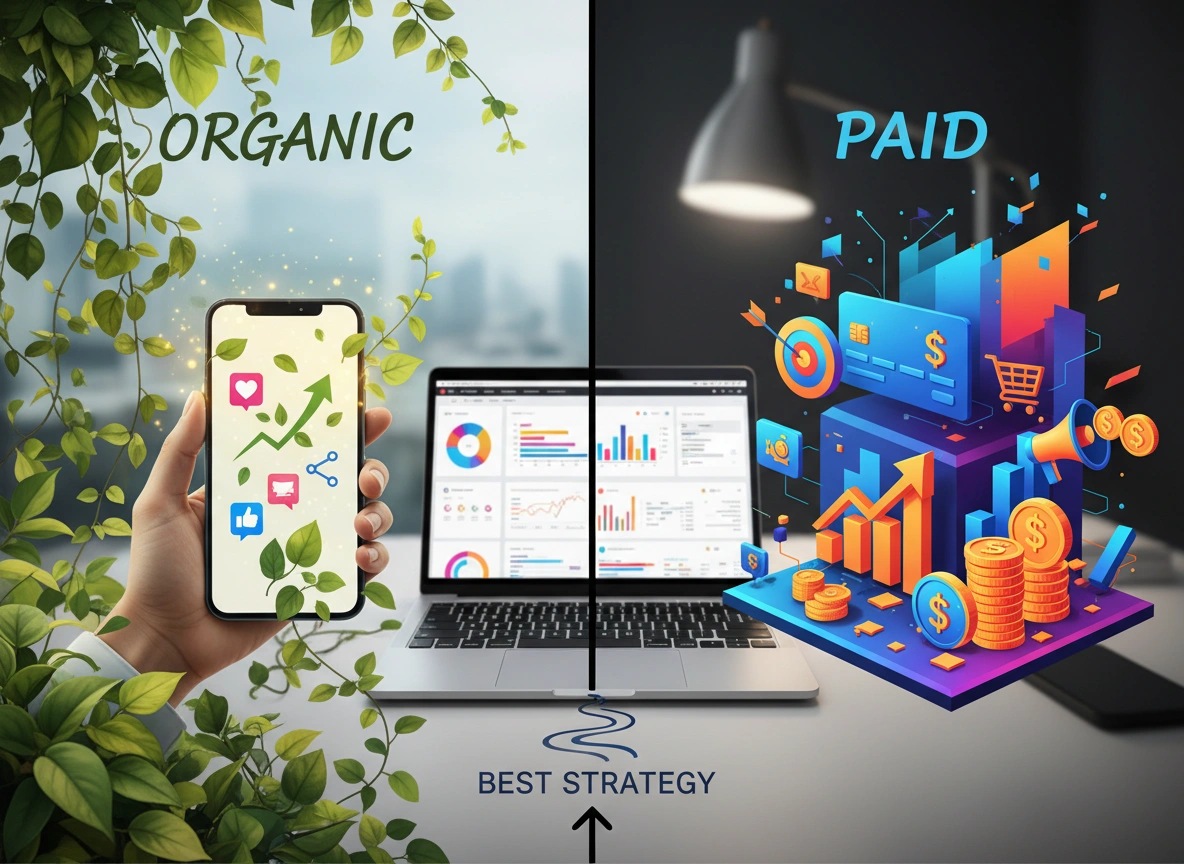
While organic reach is valuable, paid social media advertising is essential for scaling your efforts, reaching new audiences, and driving specific business outcomes. Platforms like Facebook, Instagram, LinkedIn, and TikTok offer incredibly sophisticated targeting options that allow you to deliver your message directly to the people most likely to be interested in your products or services.
Developing a Paid Strategy
A successful paid social strategy begins with clear objectives. Are you trying to increase brand awareness, generate leads, or drive online sales? Your objective will determine the type of ad campaign you run. For example, a brand awareness campaign might focus on video views, while a lead generation campaign would use a lead form ad.
The real power of paid social lies in its targeting capabilities. You can target users based on demographics (age, location, gender), interests (hobbies, pages they’ve liked), and behaviors (past purchases, device usage). Furthermore, you can create custom audiences by uploading your customer list or retargeting audiences who have previously interacted with your website or social media profiles. Retargeting is particularly effective, as it allows you to re-engage warm leads who are already familiar with your brand.
Practical Examples
The meal-kit service HelloFresh uses paid social ads effectively to acquire new customers. They run targeted Facebook and Instagram ads featuring high-quality images of their meals, often accompanied by a compelling introductory offer, such as “60% off your first box.” They target users who have shown an interest in cooking, healthy eating, or competitor services. By presenting a clear value proposition to a highly relevant audience, they drive a steady stream of new sign-ups.
A software-as-a-service (SaaS) company might use LinkedIn ads to promote a new whitepaper. They can target professionals by industry, job title, and company size, ensuring their valuable content reaches decision-makers who can benefit from it. The ad would direct users to a landing page where they can download the whitepaper in exchange for their contact information, effectively generating high-quality leads for their sales team.
Conclusion
Social media marketing is a multifaceted discipline that requires a strategic blend of creativity, community engagement, and data-driven decision-making. By moving beyond simple posting and embracing a more structured approach, businesses can unlock immense value.
Building an authentic community fosters loyalty and advocacy, while leveraging video content captures attention and tells your brand’s story in a compelling way. Harnessing user-generated content builds trust through social proof, and using data analytics ensures your efforts are both efficient and effective. Finally, mastering paid advertising allows you to scale your success and reach highly specific audience segments.
Implementing these five strategies will not only enhance your brand’s presence but also contribute directly to your bottom line. Start by choosing one or two areas to focus on, measure your results, and gradually expand your efforts. With a consistent and strategic plan, you can transform your social media channels into powerful engines for business growth.










Leave a Reply