 Skip to content

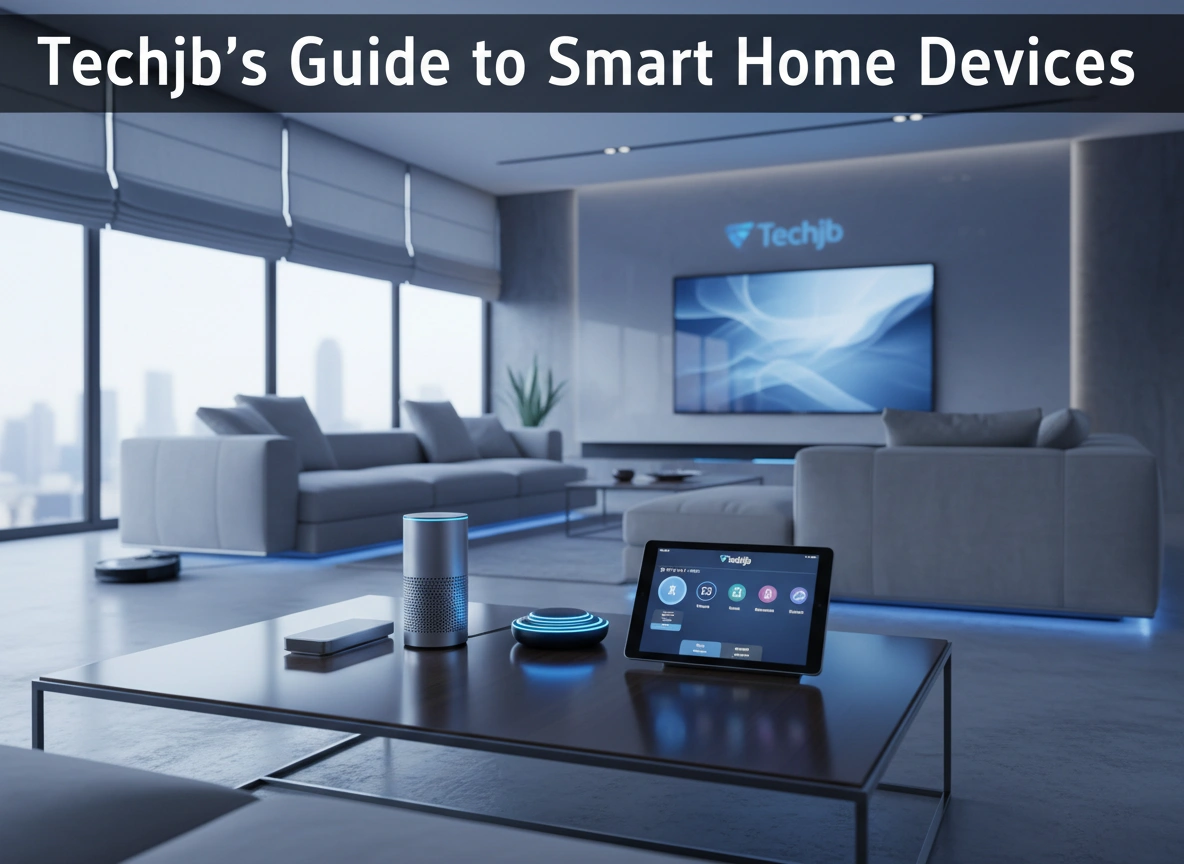
The concept of a connected home is no longer a futuristic fantasy. Smart home devices have seamlessly integrated into our daily routines, transforming our living spaces into more efficient, secure, and convenient environments. From adjusting the thermostat with a simple voice command to monitoring your front door from miles away, this technology is redefining what it means to be at home. Understanding this ecosystem is the first step toward building a smarter, more connected lifestyle.
This guide will walk you through the essential aspects of smart home technology. We will explore the various categories of devices available, detail the significant benefits of adopting them, and provide practical tips for choosing the right products for your needs. We’ll also look ahead at the future of the smart home and what exciting innovations are on the horizon.
What are Smart Home Devices?
At its core, a smart home device is any standalone electronic gadget that can connect to your home’s network (usually via Wi-Fi or Bluetooth) and interact with other devices. This connectivity allows for remote control, automation, and data collection, often managed through a central hub or a smartphone app. These devices “talk” to each other, creating a responsive and automated home environment tailored to your habits and preferences.
The importance of this technology has grown rapidly. What started as a niche for tech enthusiasts has become a mainstream consumer trend. The appeal lies in its ability to simplify complex tasks, save time, and provide peace of mind. As our lives become busier, the ability to automate routine actions—like turning off lights or adjusting the temperature—frees up valuable time and mental energy.
Categories of Smart Home Devices
The smart home market is vast and diverse. Devices are typically grouped by their primary function, though many products offer overlapping capabilities. Let’s explore the most popular categories.
Smart Speakers and Hubs
These are often the centerpiece of a smart home, acting as the command center for all other connected devices. Equipped with virtual assistants like Amazon’s Alexa, Google Assistant, or Apple’s Siri, they respond to voice commands to play music, answer questions, set timers, and control other smart gadgets.
- Popular Products: Amazon Echo series, Google Nest Hub, Apple HomePod.
Smart Lighting
Smart lighting solutions allow you to control your home’s illumination remotely. You can turn lights on or off, dim them to the perfect brightness, and even change their color to set the mood. Many systems allow you to create schedules, so lights turn on automatically when you arrive home or turn off when you go to bed.
- Popular Products: Philips Hue, Wyze Bulb, LIFX.
Smart Security Systems
Enhancing home security is one of the most compelling reasons to invest in smart technology. This category includes everything from cameras and video doorbells to smart locks and motion sensors. These devices allow you to monitor your property in real-time, receive alerts about unusual activity, and even grant temporary access to guests without a physical key.
- Popular Products: Ring Video Doorbell, Arlo Security Cameras, August Smart Lock, SimpliSafe Home Security.
Smart Thermostats
A smart thermostat learns your daily routines and automatically adjusts the temperature to keep you comfortable while saving energy. You can control your home’s heating and cooling from your smartphone, ensuring you never waste money heating or cooling an empty house. These devices often provide detailed energy usage reports, helping you identify opportunities for further savings.
- Popular Products: Google Nest Thermostat, Ecobee SmartThermostat, Honeywell Home T-Series.
Smart Plugs and Outlets
One of the easiest entry points into smart home technology, smart plugs can turn almost any ordinary appliance into a smart one. Simply plug a device—like a lamp, fan, or coffee maker—into a smart plug, and you can control it from your phone or with your voice. It’s a simple and affordable way to automate older electronics.
- Popular Products: TP-Link Kasa Smart Plug, Wemo Smart Plug, Amazon Smart Plug.
The Benefits of a Connected Home
Integrating smart devices into your home offers a wide range of advantages that go beyond simple novelty. These benefits can have a tangible impact on your daily life, finances, and overall well-being.
Unmatched Convenience
The most immediate benefit is convenience. Imagine your coffee maker starting automatically as your morning alarm goes off, your lights turning on as you pull into the driveway, or your thermostat adjusting to the perfect temperature before you get home. Smart home automation eliminates dozens of small, repetitive tasks, streamlining your day and giving you more time to focus on what matters. Voice control adds another layer of ease, allowing for hands-free operation when you’re busy cooking, cleaning, or relaxing.
Significant Energy Efficiency
Smart home technology can lead to substantial savings on your utility bills. Smart thermostats are a prime example, with some studies showing they can reduce heating and cooling costs by 10-15% annually. Smart lighting contributes by ensuring lights are off in unoccupied rooms, while smart plugs can prevent “vampire power” draw from electronics on standby. By monitoring and optimizing energy consumption, a smart home becomes a greener and more cost-effective home.
Enhanced Security and Peace of Mind
Smart security devices provide a powerful sense of safety. Video doorbells let you see and speak to visitors without opening the door, whether you’re upstairs or on vacation. Smart cameras with motion detection can alert you to intruders, and smart locks can confirm that your doors are secure after you’ve left. The ability to monitor your home from anywhere in the world offers invaluable peace of mind.
How to Choose the Right Smart Home Devices
Building a smart home doesn’t have to be overwhelming or expensive. By taking a strategic approach, you can create a system that fits your lifestyle and budget perfectly.
Identify Your Needs and Priorities
Start by thinking about which problems you want to solve. Are you looking to save money on energy bills? Is enhancing your home’s security the top priority? Or are you simply aiming for more convenience in your daily routine? Focusing on a specific need will help you choose your first devices wisely. For example, if security is your main concern, a video doorbell and a few smart cameras are a great starting point. If you want to dip your toes in with convenience, a smart speaker and some smart plugs are an excellent, low-cost entry.
Check for Compatibility
The smart home world is divided into several major ecosystems, primarily run by Amazon, Google, and Apple. While many devices work with all three, some are exclusive to one platform. Before buying a new device, ensure it is compatible with your existing setup. Look for “Works with Alexa,” “Hey Google,” or Apple “HomeKit” badges on the packaging. This will ensure all your devices can be controlled seamlessly from a single app or via your preferred voice assistant.
Set a Realistic Budget
You can start building a smart home for less than a hundred dollars or spend thousands on a fully integrated system. Set a budget before you start shopping. Begin with one or two affordable devices, like smart plugs or a single smart speaker, to see how you like the technology. You can always expand your system over time as your needs and budget allow. Remember to factor in potential subscription costs for services like cloud video storage for security cameras.
The Future of Smart Home Technology
The evolution of the smart home is far from over. The next wave of innovation promises even deeper integration and more intuitive automation.
Artificial intelligence (AI) and machine learning will make our homes more proactive. Instead of just responding to commands, future smart homes will anticipate our needs. Your home might learn your sleep patterns and automatically adjust the lighting, temperature, and even ambient sounds to help you get a better night’s rest.
The “Internet of Things” (IoT) will continue to expand, with more everyday objects becoming connected. Imagine a smart refrigerator that adds milk to your grocery list when you’re running low or a smart mattress that tracks your sleep quality. The introduction of new connectivity standards like Matter is designed to break down compatibility barriers, making it easier than ever for devices from different manufacturers to work together. Ultimately, the goal is to create a truly ambient computing experience, where technology fades into the background, working silently and efficiently to improve our lives.
Please visit this website for more info.







Leave a Reply